Affordable Dumpster Rentals for Your Home or Commercial Needs
Budget-friendly dumpster leases supply efficient options for controlling waste in both home and enterprise projects. Many clients and enterprises miss the advantages of these services, often causing poor waste disposal. By grasping critical factors like pricing and dimension options, customers can formulate well-informed choices that align with their requirements. Investigating the specifics of rental agreements and regional providers will surface useful information into boosting disposal methods. What points must one remember when selecting this choice?
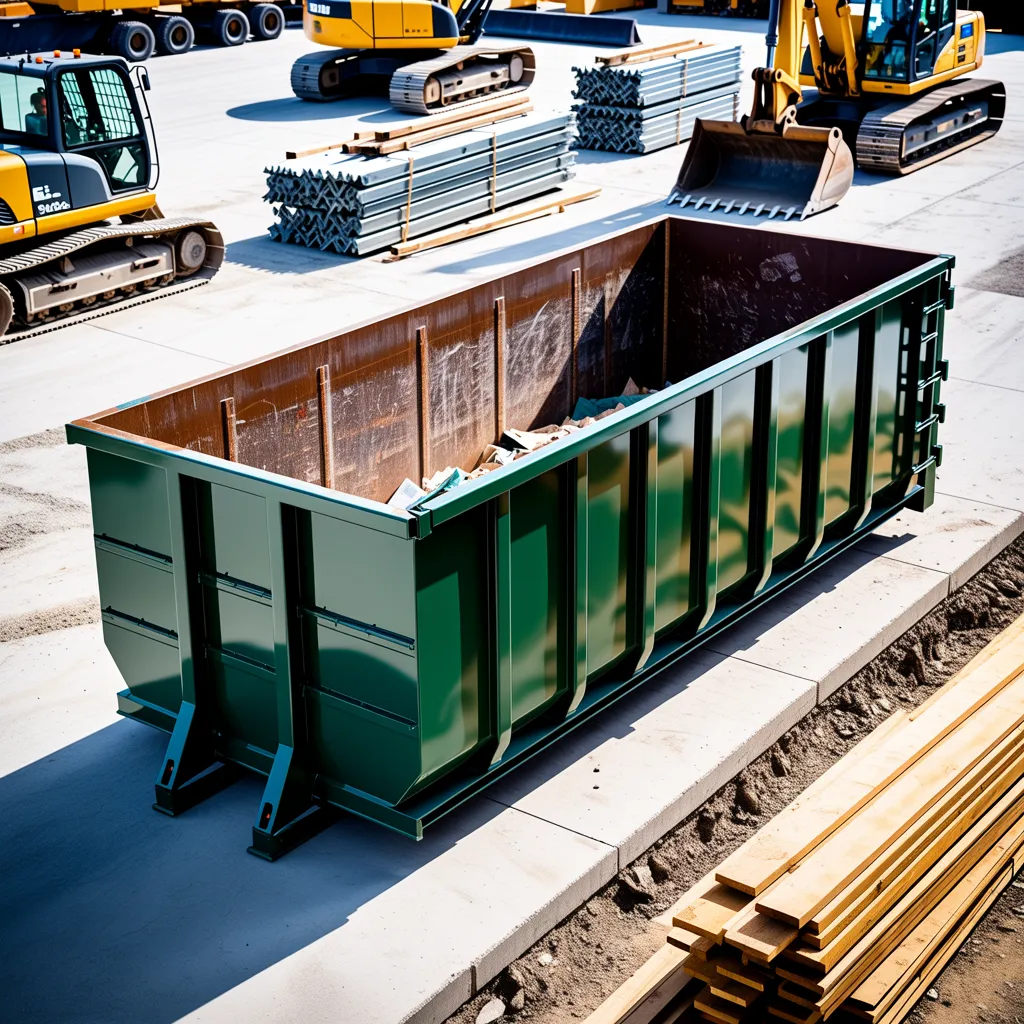
Best Reasons to Rent a Dumpster for Your Work
When developing a project, whether it's a home renovation or a large decluttering, many individuals fail to consider the advantage of renting a dumpster. Contracting a dumpster streamlines waste management, facilitating for the efficient disposal of debris and unwanted materials. This can notably save time, as it circumvents the need for multiple trips to a landfill.
Additionally, a designated space for waste ensures that the work area remains organized and safe, reducing the risk of accidents. Many projects produce more waste than anticipated, and a dumpster provides the flexibility to handle unexpected debris without added stress.
Furthermore, renting a dumpster is frequently more budget-friendly than competing waste disposal methods, particularly for substantial projects. In conclusion, employing a dumpster boosts project efficiency, guarantees safety, and eases the cleanup process, making it an wise choice for homeowners and contractors alike.
Factors That Influence Dumpster Rental Pricing
Several essential considerations influence the rates charged for dumpster leases. The size of the dumpster selected, the timeframe of the lease, and the accessibility of your site all play significant elements in establishing total expenses. Learning these components can assist customers in reaching educated selections when renting a dumpster for their undertakings.
Dumpster Size Options
How can selecting the right dumpster size affect pricing? Selecting an appropriate dumpster size is vital for managing costs in an effective manner. Smaller dumpsters generally have lower rental fees, rendering them an economical choice for small projects, such as cleanouts or renovations. On the other hand, larger dumpsters, while pricier, hold substantial debris from large-scale construction or commercial projects.
Exaggerating measurements can lead to unnecessary expenses, while falling short on may generate additional rentals. Additionally, some companies apply charges to weight limits, so the extent of trash also shapes complete fees. Consequently, grasping the project's scope and waste classification is essential for determining a dumpster that balances both scale and expenditure, confirming that the hire proves affordable and practical.
Lease Length Effects
Selecting the appropriate dumpster size is only one aspect influencing rental costs; rental duration also plays a important role. The length of time a dumpster is needed directly affects the overall price, as most rental companies charge on a daily or weekly basis. Longer rental periods typically accumulate higher fees, which can vary based on the provider's pricing structure. Additionally, some companies offer discounted rates for extended rentals, making it crucial to compare options. Customers should consider their project timelines and waste disposal needs when determining the rental duration. Ultimately, understanding how rental duration impacts costs can help individuals and businesses plan effectively for their disposal needs, ensuring they avoid unexpected expenses.
Positioning and Accessibility
The location where a dumpster is situated heavily influences rental pricing. Accessibility is a key factor; dumpsters positioned on private property or driveways tend to incur lower fees compared to those on public streets. Permits may be necessary for dumpsters placed on streets, increasing the total cost. Furthermore, how close the rental company’s facility is can impact transportation expenses. If the dumpster is located far from the rental provider, fuel costs will rise and may be charged to the customer. Also, urban areas with higher traffic congestion tend to have higher prices due to logistical challenges. In conclusion, knowing the dumpster’s location and accessibility is vital for accurately assessing rental costs and making informed decisions.
Guide to Discovering Budget-Friendly Dumpster Leasing Services
Researching low-cost waste container options involves strategic assessment of neighborhood providers and what they offer. By reviewing price points and service quality, customers are able to identify the optimal value offerings available in their surrounding area. Likewise, checking out seasonal specials can result in substantial cost savings on total rental expenses.
Compare Local Providers
What are the best ways to successfully assess local vendors to obtain affordable dumpster rentals? Initially, clients should gather quotes from various companies, ensuring they check all fees, including delivery, pickup, and any potential overage charges. Next, analyzing customer reviews and ratings can give crucial insights into service quality and reliability. Additionally, it is helpful to review the variety of dumpster sizes offered, as this can determine pricing based on particular project needs. Comparing rental lengths might also reveal more affordable alternatives, as some providers have discounts for longer commitments. Finally, local promotions or package deals can further boost affordability, making it crucial to consider all possibilities before choosing.
Review Seasonal Offers
Do hidden savings lie for those who make the effort to review seasonal discounts on dumpster rentals? Many rental companies extend promotional rates during quieter seasons or particular times of year. For instance, spring and fall typically see greater rivalry among providers, resulting in decreased rates. Additionally, special occasions or local events might prompt exclusive deals. Customers stand to benefit by researching online, joining mailing lists, or monitoring social media pages of local rental services. Talking directly to providers might also uncover unadvertised discounts. By acting proactively and timing their rental, individuals and businesses can greatly reduce expenses, making it easier to oversee waste disposal without overwhelming their finances.
Tips for Picking the Correct Dumpster Size for Your Project
Selecting the ideal dumpster measurement for a assignment can substantially affect performance and budget. The initial phase is to evaluate the volume of trash produced. Small projects, such as home cleanouts, typically need a 10 to 15 cubic yard dumpster, while larger remodels may require 20 to 30 cubic yards. For commercial projects, sizes can range from 30 to 40 cubic yards, depending on the type of materials being disposed of.
Next, think about the type of debris. Heavy items, comprehensive guide like concrete or dirt, may call for a more compact, purpose-built receptacle due to tonnage restrictions. Additionally, understanding the duration of the project can aid in determining the correct capacity; longer projects may accumulate more waste.
Finally, working with a rental service can deliver useful information. They can recommend sizes according to prior customer data and unique project specifications, guaranteeing that the chosen dumpster fits with personal preferences and cost considerations.
Key Suggestions for Deciding on Local Dumpster Rental Services
When seeking local dumpster rental providers, it’s crucial to consider several major elements to ensure a smooth process. First, review the company's standing; online feedback and testimonials can give perspectives into their reliability and customer service. Next, review the scope of offerings offered, ensuring they can support unique project requirements, such as diverse dumpster sizes or types. It's also necessary to compare price models, as some companies may charge surprise expenses that can increase costs without warning. Additionally, inspect for valid licensing and insurance to verify compliance with local regulations and safeguards against liabilities. Finally, check transport and retrieval arrangements to confirm they fit project timelines. By applying these measures, individuals can pick a local dumpster rental service that addresses their needs properly and swiftly.
The Best Method to Fill Your Dumpster Effectively
Maximizing capacity in a dumpster needs thoughtful loading methods. Initially, users ought to break down large items, including furniture and appliances, to create more room. This procedure supports better stacking and effective use of vertical space. Afterwards, heavier materials should be placed at the bottom, providing a stable base and avoiding lighter items being crushed.
Using a methodical strategy, such as filling gaps with smaller debris and ensuring balanced load placement, can improve space efficiency. Additionally, it is beneficial to arrange objects in layers, with flat materials at the bottom and bulkier pieces on top.
Placing a tarp over the load can assist in maintaining items protected during shipment. In summary, monitoring the dumpster's weight limit is important to prevent overloading, which can cause additional charges or hazardous conditions. Using these approaches will create a more efficient and successful dumpster loading undertaking.
What Actions Should You Take With Hazardous Materials?
Managing dangerous substances requires meticulous care to compliance and safety measures. Appropriate disposal is vital to avert environmental contamination and preserve public health. Individuals should first determine hazardous materials, such as batteries, paint, chemicals, and electronic waste. Once identified, it is necessary to review local regulations, as many areas have specific guidelines for disposal.
Many municipalities supply specific disposal sites or planned pickup times for hazardous waste. Employing these programs guarantees safe handling and disposal. Individuals should under no circumstances deposit hazardous materials in regular dumpsters, as this can lead to significant health dangers and regulatory penalties.
For organizations, working together with certified waste management companies is wise. These experts are trained to convey and oversee such items in alignment with statutory guidelines. Implementing these protocols improves security and also fosters commitment toward environmental care. By observing these guidelines, companies and people can effectively manage hazardous waste.
Questions Regularly Asked About
What Categories of Substances Can I Throw Away in a Dumpster?
Multiple materials can be placed in a dumpster, including household debris, construction waste, yard waste, furniture, and appliances. However, hazardous materials, chemicals, and certain electronics are typically forbidden due to safety requirements.
How Much Time Can I Maintain the Leased Dumpster?
Usually, rented dumpsters can be kept for a timeframe spanning a few days to several weeks, subject to the rental contract. Prolonged use may incur additional fees, so reviewing terms is prudent.
Are There Load Restrictions for Dumpster Leasing?
Yes, rental dumpsters typically have weight thresholds that differ by provider and dumpster size. Exceeding these limits may cause additional fees or limits, so it's critical to check specific guidelines with the rental company beforehand.
Can I Rent a Dumpster for Small Home Projects?
Yes, people can rent dumpsters for small home undertakings. Many waste management services provide various sizes suitable for tasks like decluttering, remodeling, or landscaping, guaranteeing an effective way to handle debris and waste removal.
What Results if I Go Beyond the Leasing Time?
Going over the rental time typically incurs extra costs. The rental company may impose a daily rate, accruing fees until the dumpster is returned. It's prudent to speak with the company to talk through options.